It is not a matter of if an emergency will happen but when. And this could be right at home, the work place, in school or even an event. First aid is not just about acting quickly but acting correctly as well. Knowing what to do and what to avoid, can save lives while waiting for the professional medical team.
Here are Some Common First Aid Mistakes;
- Delaying to stop severe bleeding.
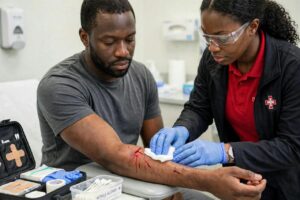
Failure to control severe bleeding can lead to excessive blood loss, causing shock and depriving vital organs of oxygen. If not treated promptly, this can result into organ damage or even death.
Correct method;
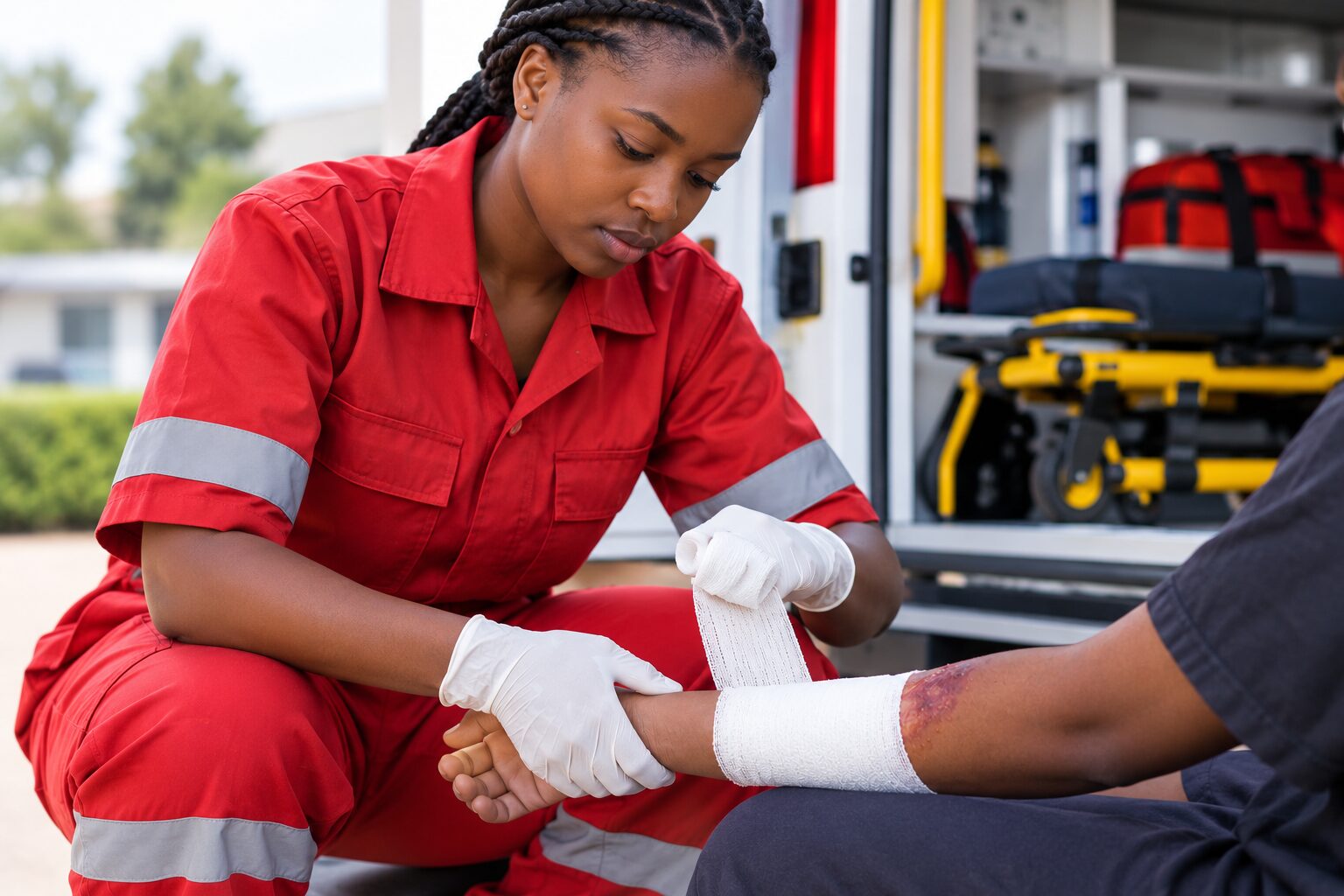
- Apply firm continuous pressure with a clean cloth or dressing such as gauze.
- Do not lift the dressing repeatedly. If the blood soaks through, keep pressure on the wound and add more gauze or clean cloth on top.
- For life-threatening limb bleeding, use a commercial tourniquet if available and follow its emergency dispatcher guidance. Tighten it until bleeding stops and do not loosen it.
- Failing to assess scene safety before giving first aid.
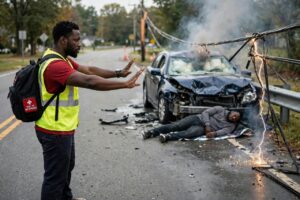
Failure to do so may have the first aider get injured, becoming another casualty which will lead to delayed help for the original victim.
Correct method;
- Assess the scene for danger, ensure it is safe.
- Keep bystanders back.
- Call emergency services before approaching the casualty.
- Moving an injured person unnecessarily.
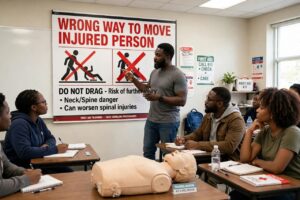
Moving someone after a road accident or a serious fall can worsen the spine, neck or other injuries and cause permanent disability.
Correct method;
- Keep the person still and seek medical help.
- Move them only if there is immediate danger, such as fire or incoming traffic.
- Applying butter, toothpaste, ice or oils to burns.
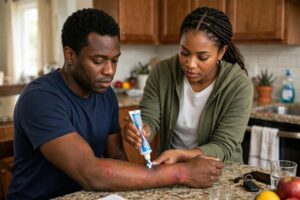
These substances can cause more pain, scarring, and contamination to the wound making it harder for professionals to assess and clean.
Correct method;
- Place the burned area under cool running water for 20 minutes.
- Cover it loosely with a clean, non-fluffy dressing.
- And then proceed to a health facility for further assistance.
- Ignoring personal safety and hygiene.
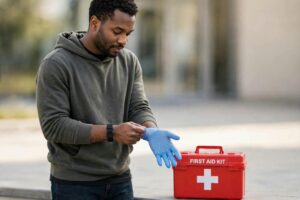
In most cases, the first aider focuses on saving the causality, forgetting that their personal safety and hygiene can expose them or the victim to infections, bloodborne diseases and other hazards worsening the emergency.
Correct method;
- Assess the scene and ensure its safe.
- Use gloves or a clean barrier. Ensure that you have Personal Protective Equipment (PPE’s) within your vicinity.
- Avoid direct contact with blood.
- Restraining someone having a seizure.
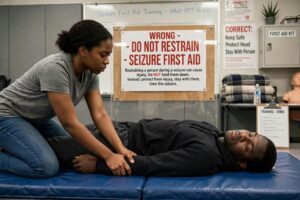
Some people believe that forcefully holding down a person having a seizure is the immediate response to calm them down. This is entirely a wrong response because it can cause injuries to their bones, muscles and joints, and also restrict breathing.
Correct method;
- Clear dangerous objects away.
- Protect the head by providing a cushion or soft clothing for support.
- Put them in the recovery position which is the side once the seizing stops.
- Giving water to someone when chocking.
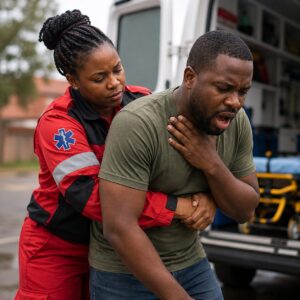
Water may enter the airway instead of the stomach, increasing the choking and making it harder for the person to breathe.
Correct method;
- If they can’t cough, speak, or breathe, act by giving firm 5 back blows: lean them forward, heel of hand firmly hitting between shoulder blades. If still chocking, follow up with 5 abdominal thrusts: stand behind, arms around waist, fist above belly button with the non-dominant hand, while the other hand grasps your fist, then do quick inward-upward thrusts.
- Forcing vomiting when poisoned.
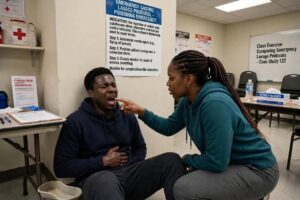
This can cause further damage to the throat and vital organs as it comes back up, leading to aspiration or choking, which worsens the victim’s condition.
Correct method:
- Do not induce vomiting.
- Do not give food, drinks, or medication unless instructed to by a qualified medical professional.
- Keep poison container to show doctors. Only do this if it is safe to do so.
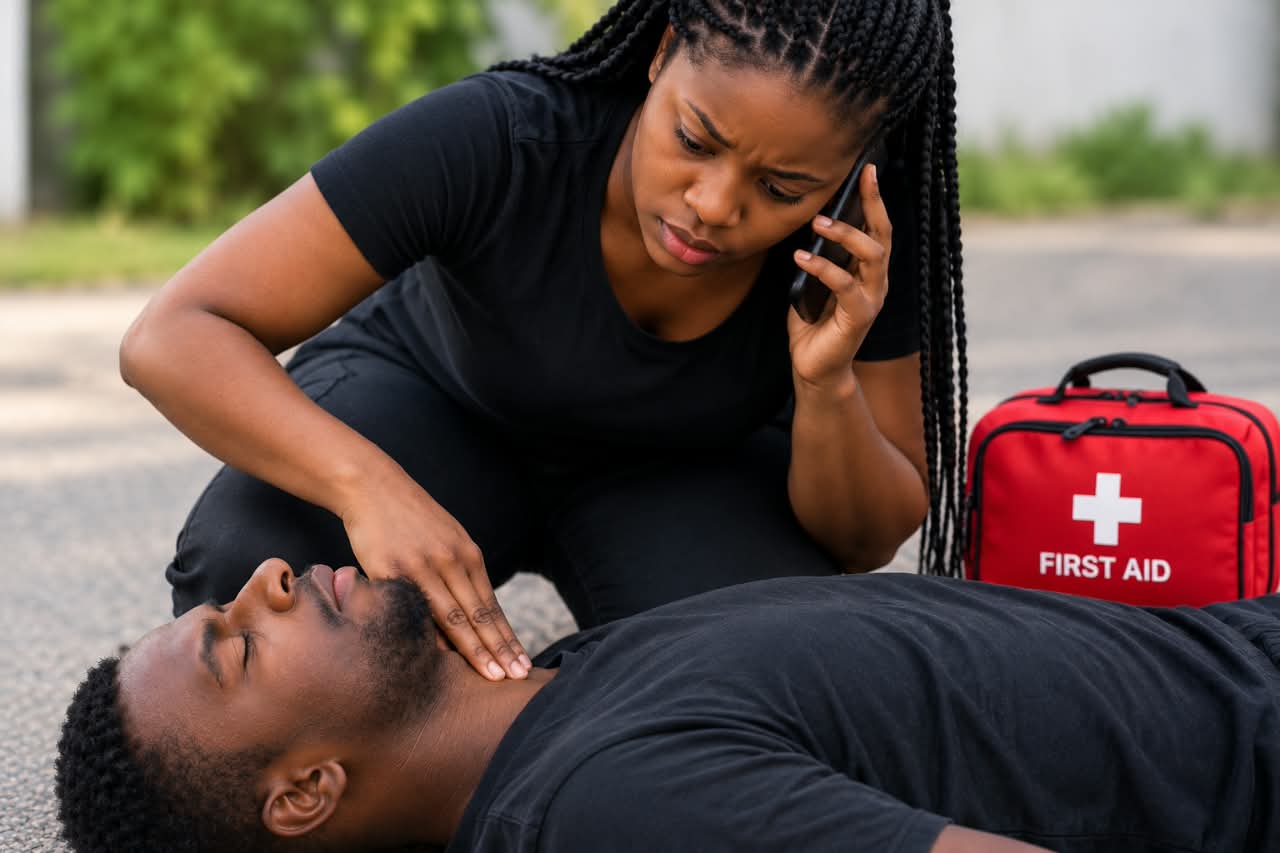
- Delaying CPR.
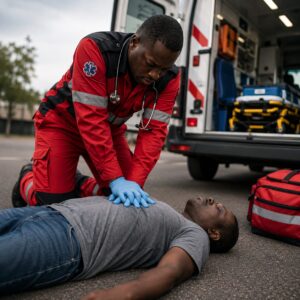
Hesitating when someone is unresponsive and not breathing normally can reduce their chance of survival.
Correct method:
- Check responsiveness; are they alert, responding to your voice or pain, check for pulse to know if unconscious.
- Call for medical help and start CPR as trained.
- Get an AED (Automated External Defibrillator) and follow its emergency dispatcher guidelines.
- Failing to call for professional help.
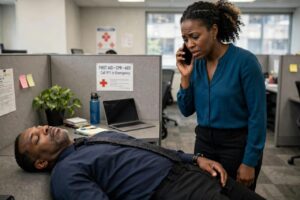
In most cases many of us always wait to call for help until the situation has escalated. It is important to note that a serious condition can worsen even if the person initially appears stable.
Correct method:
- Contact local emergency services promptly for serious injuries, giving your location and informing them of what is taking place on ground. Every detail is essential as it helps the professional know what’s happening and how best to guide the first aider.
Avoiding first aid mistakes is essential for saving lives and preventing further injuries during emergencies. It should always be given with care, knowledge and responsibility. Knowing the correct procedures helps prevent complications, promotes recovery, and increases the chances of survival during emergencies.
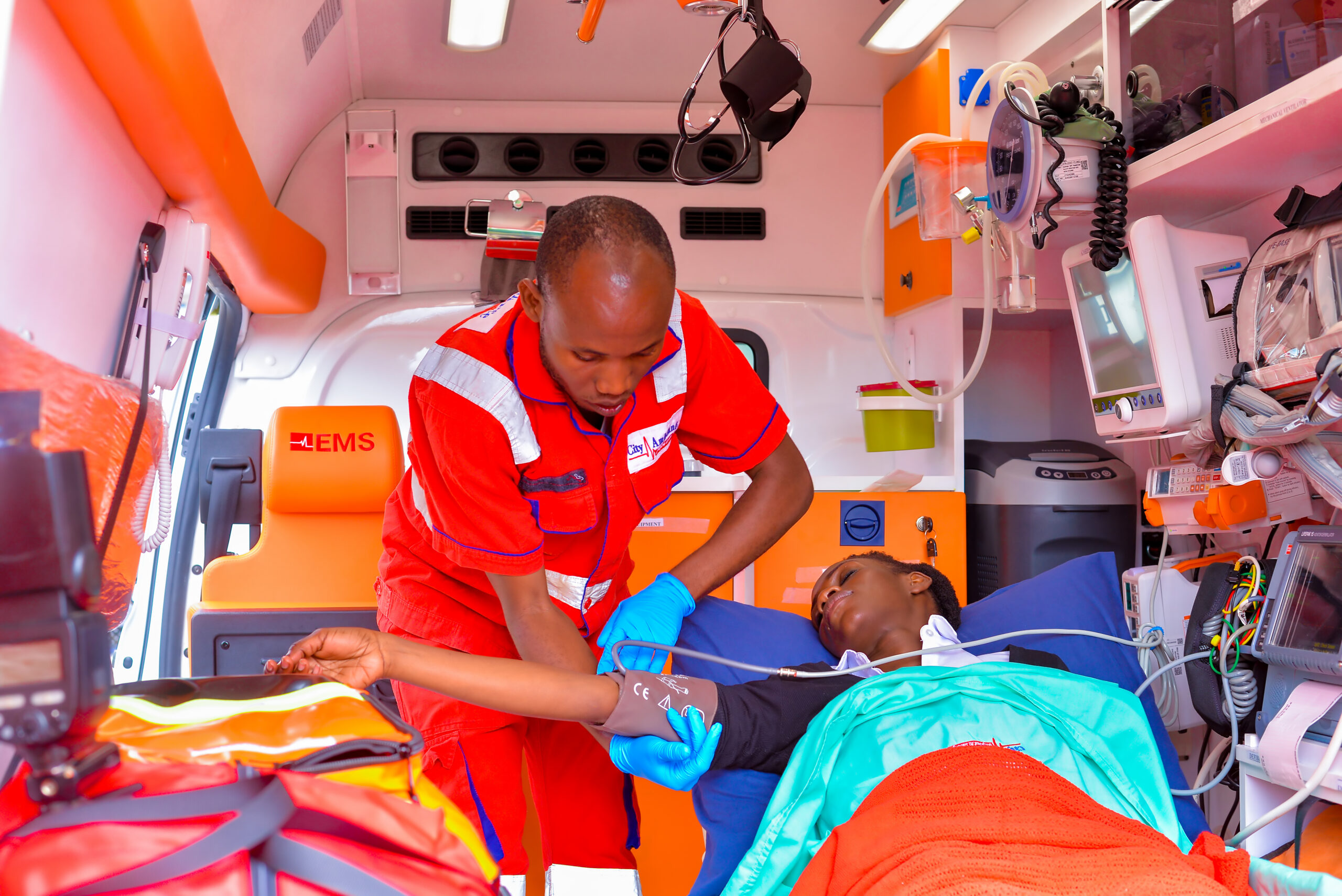
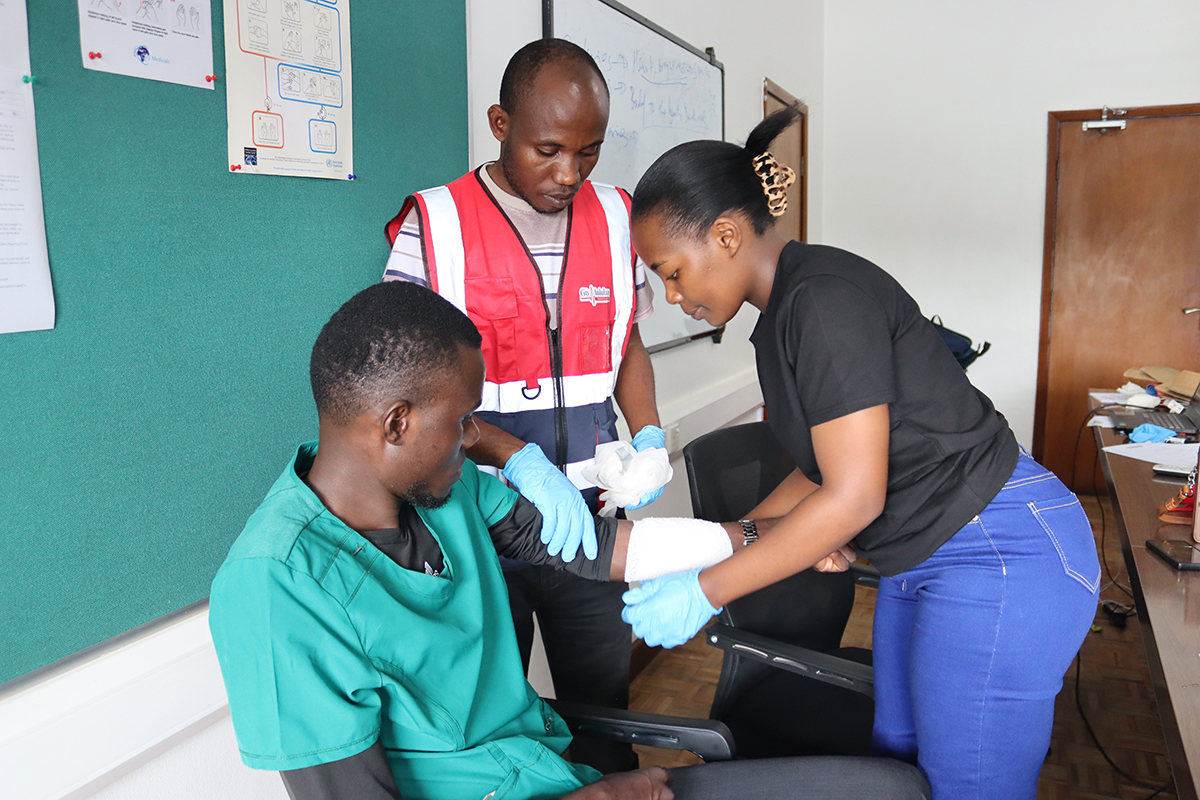
At City Ambulance Limited, we do conduct both beginner and advanced First Aid trainings for everyone because these lifesaving skills are not just for doctors alone but anyone.
Book a first aid class now, at a fee of UGX 250,000 per individual and for a group of 5+ people, each individual pays UGX 130,000. We are located in Kololo, Plot 12, Acacia Avenue, For more information, call us on 0800111222, WhatsApp us on 0704009098 or visit www.cityambulance.net
At City Ambulance we are inspired to save lives!