5 Mistakes People Make When Treating a Burn
A burn is one of those injuries almost everyone thinks they know how to handle until it happens. In the panic of the moment, people often reach for whatever is closest like butter from the fridge, toothpaste, or a story they heard from a neighbor about what “worked” for them. The problem is that a burn is a wound, and most kitchen-cupboard remedies either do nothing or actively make it worse.
Here are five of the most common mistakes and what can one can resort too.
1: Reaching for butter, oil, or toothpaste
This is probably the most widespread burn myth out there and many of us have at least use either of them. Butter, cooking oil, and toothpaste all trap heat against the skin instead of drawing it out, which can deepen the burn. For example, toothpaste in particular often contains ingredients that irritate broken skin and raise the risk of infection. None of these has ever been shown to help a burn heal but just delay proper treatment.
Do this instead: Cool the burn under clean, running water for at least 20 minutes. Water is still the most effective first response there is.
2: Using ice or ice-cold water
It seems logical that a burn is heat damage, so more cold should help, right? In practice, ice or ice water can constrict blood vessels and damage the skin further, sometimes causing a second injury on top of the burn (essentially frostbite layered onto a burn).
Do this instead: Stick to cool running water, and notice how It calms the burn without shocking the tissue.
3: Popping blisters or picking at damaged skin
Blisters form for a reason. That fluid-filled layer is protecting the raw skin underneath from bacteria while it heals. When you pop a blister, or pull off skin that’s stuck to clothing or jewelry, you open up the wound to infection which can leave a lasting scar.
Do this instead: Leave blisters intact. Remove jewelry or tight clothing near the burn if it’s not stuck to the skin, but never pull at anything that’s adhered to the wound itself. Leave it for the medical professional handle.
4: Applying home remedies like urine, sugar, or raw egg
These remedies have been passed down for generations in different communities, and we understand why people trust them. Someone, somewhere, swears it worked. But a treatment that seemed to work once isn’t the same as a treatment that’s medically proven safe. Substances like urine or raw egg introduce bacteria directly onto an open wound, and sugar isn’t a substitute for proper wound care. What works or seems to work for one person’s minor burn is not a reliable guide for someone else’s, especially with a more serious injury.
Do this instead: Cool the burn with water, then cover it with a clean, non-stick dressing. If you’re ever unsure how serious a burn is, take caution and get it checked.
5: Waiting too long to seek medical attention
Many people only think about seeing a doctor once a burn is clearly severe, blistered, deep, or covering a large area. However, burns on the face, hands, feet, or joints, from chemicals or electricity, on a child or older adult should be assessed by a professional early enough, even if it doesn’t look dramatic at first. Remember, burns can also worsen over the following day as the full extent of the damage becomes visible.
Do this instead: If a burn is larger than half of your palm, keeps blistering, looks white or leathery, or is in a sensitive area, don’t wait it out at home. Get medical attention promptly.
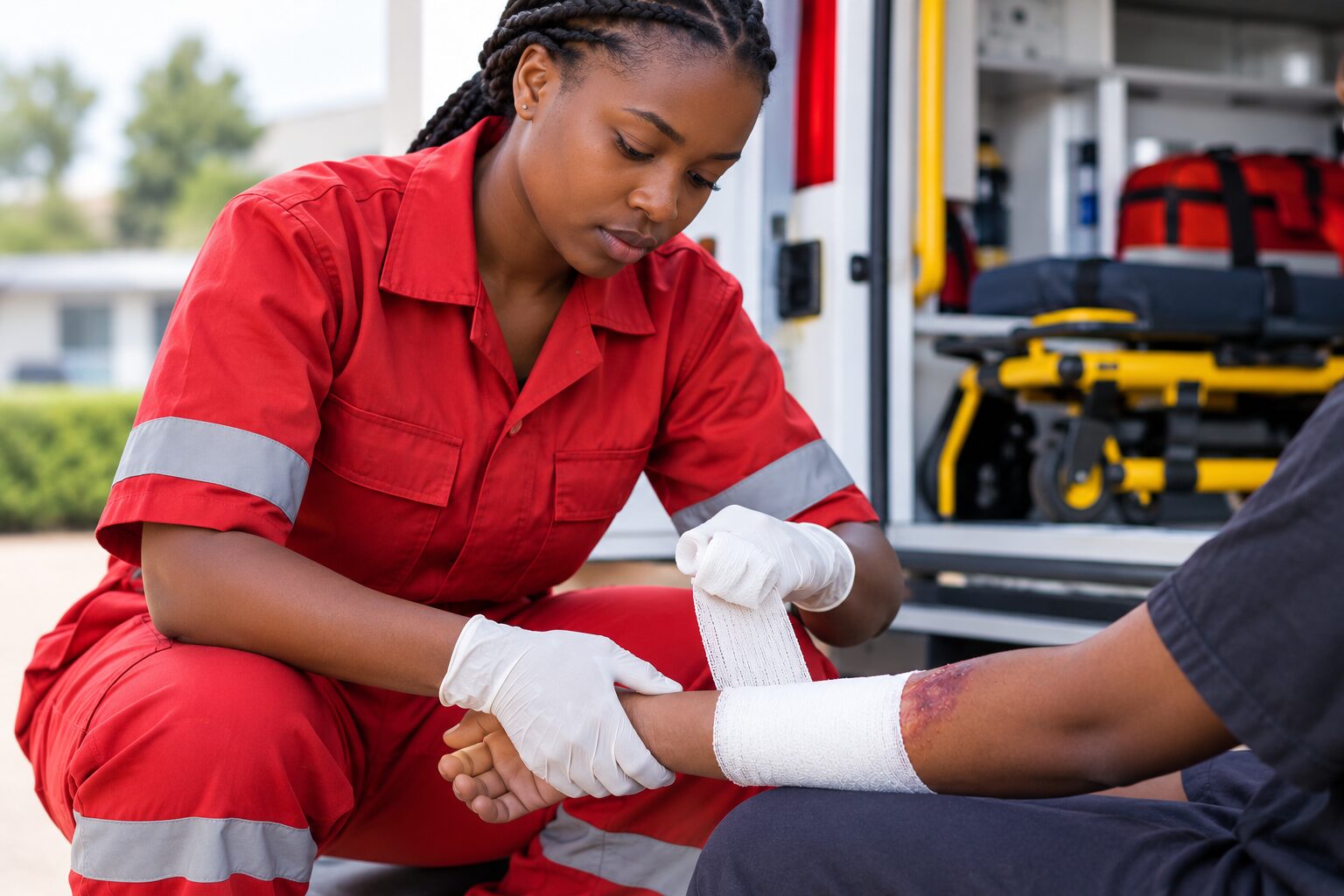
When you get burned, the instinct to do something immediately is natural but the best first aid is usually, cool running water, a clean covering, and professional care when needed. Skip the folk remedies, no matter how confidently they’re recommended.
Feel free to reach out to us on our toll free line 0800 111 222 or What’s App us on +256 704 009 098. We are on standby to respond to any of your queries.